Group Mediation & Reconciliation
Even when employees share a common purpose or goal, differences in how work should be approached can give rise to disagreement, tension, or conflict. Teams may experience conflict internally, between employee groups and leadership, or as a result of unresolved interpersonal issues that spread across the group. When left unaddressed, these dynamics can interrupt project momentum, delay decision making, and limit the ability of teams or cross functional groups to work together effectively. In some cases, unresolved conflict has led to broader workplace disruptions, including work stoppages or strikes. While conflict is a natural part of collaborative work, how a group engages and responds to it plays a significant role in determining overall effectiveness and success.
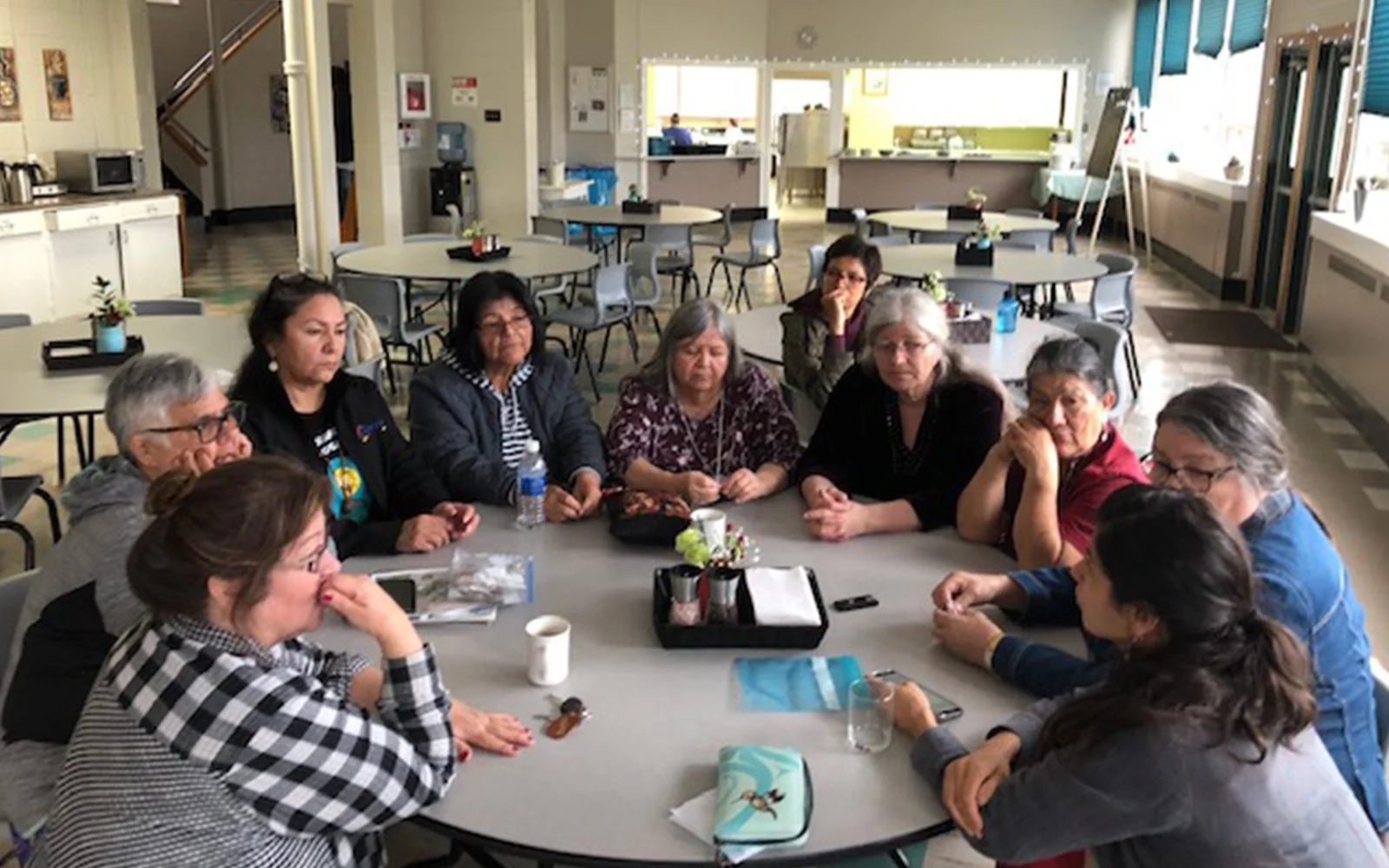
Group mediation offers a structured and facilitated approach to restoring alignment when team dynamics begin to impact functioning. By addressing collective patterns that influence trust, communication, and collaboration, group mediation helps teams move forward more effectively. This process is particularly valuable when mistrust or lingering dynamics are affecting how work gets done, or when the impact of an interpersonal conflict continues to shape the broader team even after individual issues have been addressed.
What it typically includes
A team health assessment, including confidential individual interviews
A concise report identifying key themes and organizational risks
Clear, actionable recommendations aligned with HR priorities
Four facilitated group conversations focused on rebuilding trust, clarifying expectations, and strengthening team practices
What shifts as a result?
Improved team cohesion and psychological safety
More effective communication,collaboration and team health
Stronger collective ownership of team culture and performance
Reduced interpersonal risk and disruption
Increased capacity for teams to navigate change and tension

Our work is collaborative and customized to your organizational needs. It starts with a conversation.
If you are curious about what other services Bloom offers, we invite you to check out our full catalogue.